
Every summer, music fans from Japan and around the world gather in the mountains of Niigata for
FUJI ROCK FESTIVAL, one of Japan’s best-known international music festivals.
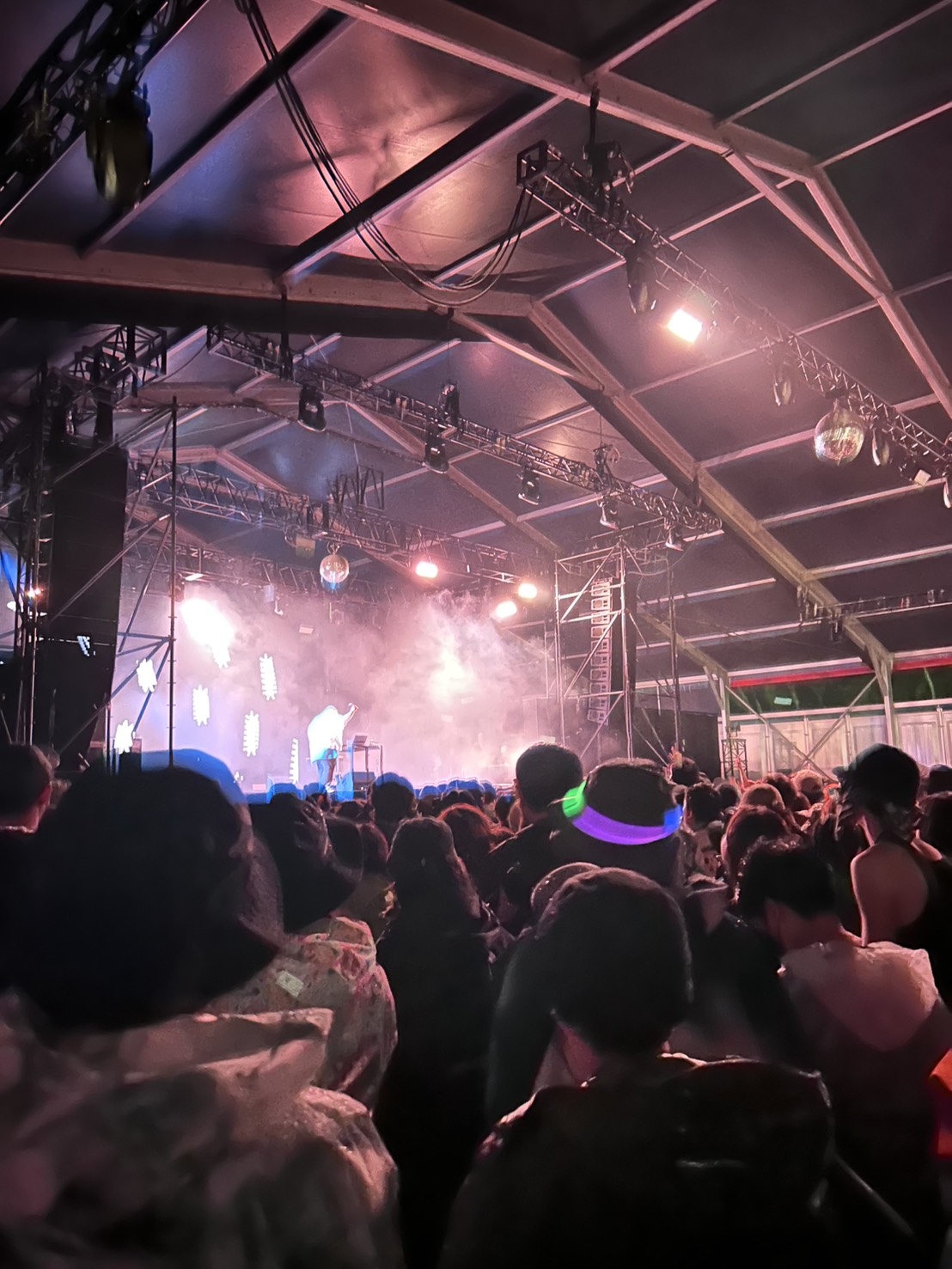
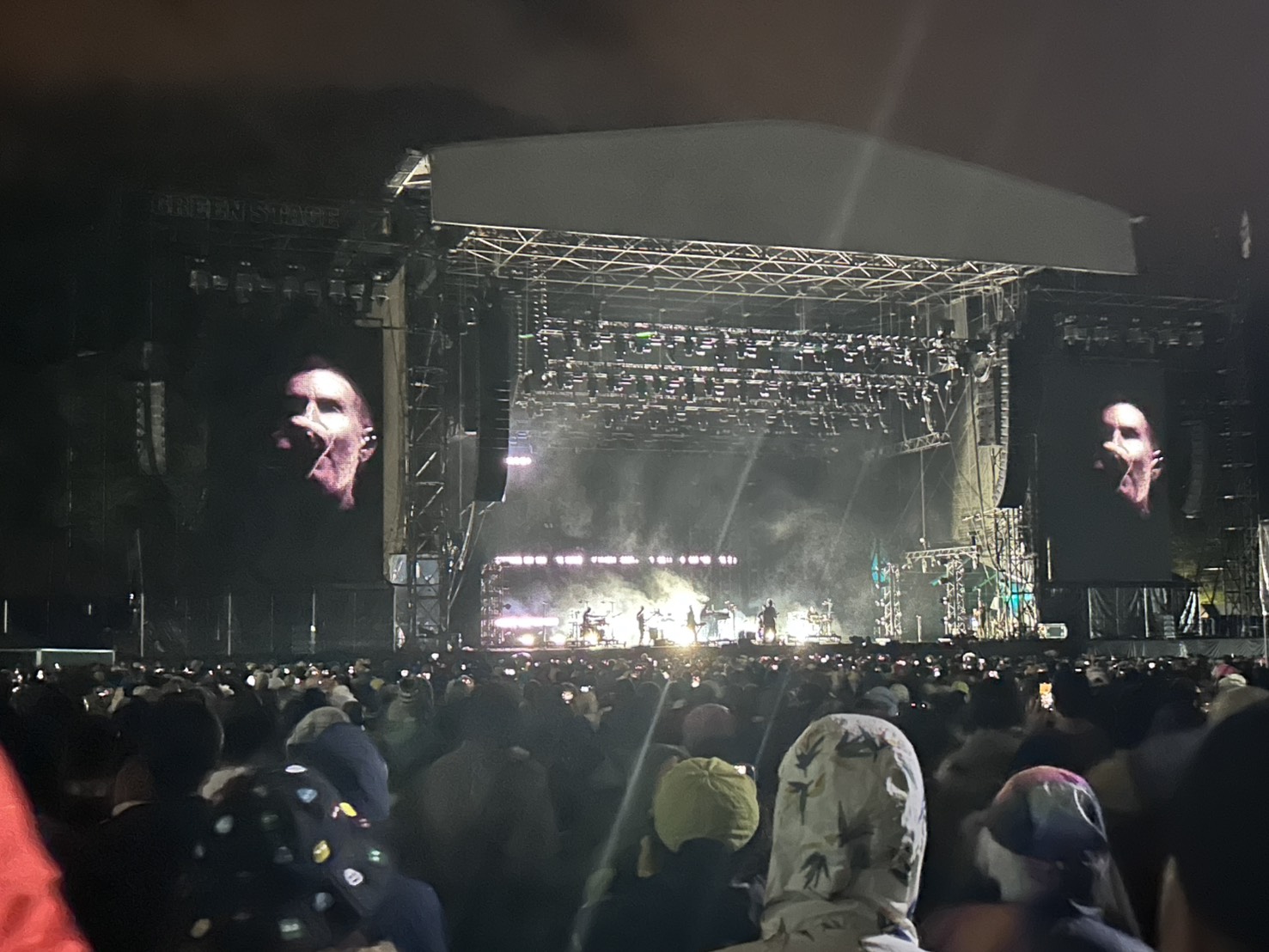
FUJI ROCK FESTIVAL ’26 was held from July 24 to 26, 2026, at Naeba Ski Resort in Yuzawa, Niigata Prefecture. The three-day event brought together leading international and Japanese artists across multiple stages, with Massive Attack appearing as the final-day headliner.
However, FUJI ROCK is more than a collection of concerts.
From an event organizer’s perspective, it offers many insights into how a large-scale international event can create a distinctive experience through its location, atmosphere, operations and shared values.
A Destination Becomes Part of the Event
FUJI ROCK takes place at a ski resort surrounded by the forests and mountains of Naeba.
The venue is not simply a space in which performances are held. The natural environment is an essential part of the festival’s identity.
Visitors walk through forest paths, cross rivers and travel between stages with very different atmospheres. Music, scenery, weather, food and the movement of the audience all combine to create one continuous experience.
This is an important lesson for MICE organizers.
A memorable event does not have to be contained within a ballroom or conference hall. The destination, local environment and journey between activities can all become part of the event programme.
Managing a Complex Audience Journey
FUJI ROCK has several stages and activity areas distributed across a large mountain site.
Visitors decide which artists to see, where to eat, when to rest and how to move through the venue. Rather than forcing every guest to follow the same programme, the festival allows each participant to design a personal experience.
At the same time, the organizer must support the movement of a large audience through signage, information, transportation, food and beverage facilities, staff operations and safety management.
For corporate events and international conferences, the scale may be different, but the principle is the same.
Successful event design requires more than a stage programme. Organizers must consider the complete guest journey, including arrival, registration, movement, waiting time, communication, hospitality and departure.
Creating Unity Without Making Everything Uniform
FUJI ROCK attracts people of different ages, nationalities and musical interests.
Each stage has its own character, yet the entire venue still feels like one festival. This balance between variety and consistency is one of its greatest strengths.
For MICE events, this can be applied to conferences with breakout sessions, incentive programmes, networking receptions and corporate celebrations.
Each part of the programme can have a different purpose and atmosphere, while visual design, hospitality and a clear overall concept connect them into one experience.
Values Are Communicated Through Operations
Since its launch in 1997, FUJI ROCK has promoted coexistence with nature. Its environmental initiatives include recycling, reducing food waste, resource circulation and activities that support the forests around the venue.
These activities demonstrate that an event’s message is not communicated only through speeches or promotional materials.
Values are also expressed through operational decisions.
For companies discussing sustainability, social contribution or community engagement, an event becomes more credible when those ideas are reflected in materials, waste management, transportation, food, local partnerships and participant behaviour.
The Power of a Shared Live Experience
I have attended FUJI ROCK more than 20 times, including its first edition in 1997.
What continues to impress me is not only the quality of the artists. It is the atmosphere created by thousands of people sharing the same place and moment.
At the 2026 festival, Massive Attack’s performance was particularly memorable. Their combination of music, visual production and social messages transformed the concert into a powerful collective experience.
That feeling cannot be created by content alone.
It is produced by the combination of space, sound, lighting, visuals, timing, audience movement and anticipation. This is also what makes live corporate events meaningful.
What MICE Organizers Can Take from FUJI ROCK
FUJI ROCK provides several useful lessons for international event planners:
- Make the destination part of the event story.
- Design the entire participant journey, not only the main programme.
- Give guests choices while maintaining a consistent event identity.
- Express organizational values through actual operations.
- Use space, entertainment and production to create shared emotional moments.
These principles can be applied not only to music festivals, but also to international conferences, incentive travel programmes, corporate receptions, award ceremonies and product launches.
Creating Memorable Events in Japan
Event Services Inc. supports international corporate events and MICE programmes throughout Japan.
Our bilingual planners work with overseas event organizers, agencies and corporate clients, providing support for event planning, venue decoration, entertainment, audiovisual production and on-site operations.
We also own more than 700 event props, games and decorative items, including a wide range of Japanese-themed decorations and interactive experiences.
Like FUJI ROCK, we believe that the most memorable events are created when the venue, programme, production and hospitality come together as one complete experience.
For organizations planning an international conference, incentive event, reception or corporate celebration in Japan, we would be pleased to help create an experience that is unique to your guests and your objectives.


 +81-3-3522-7511